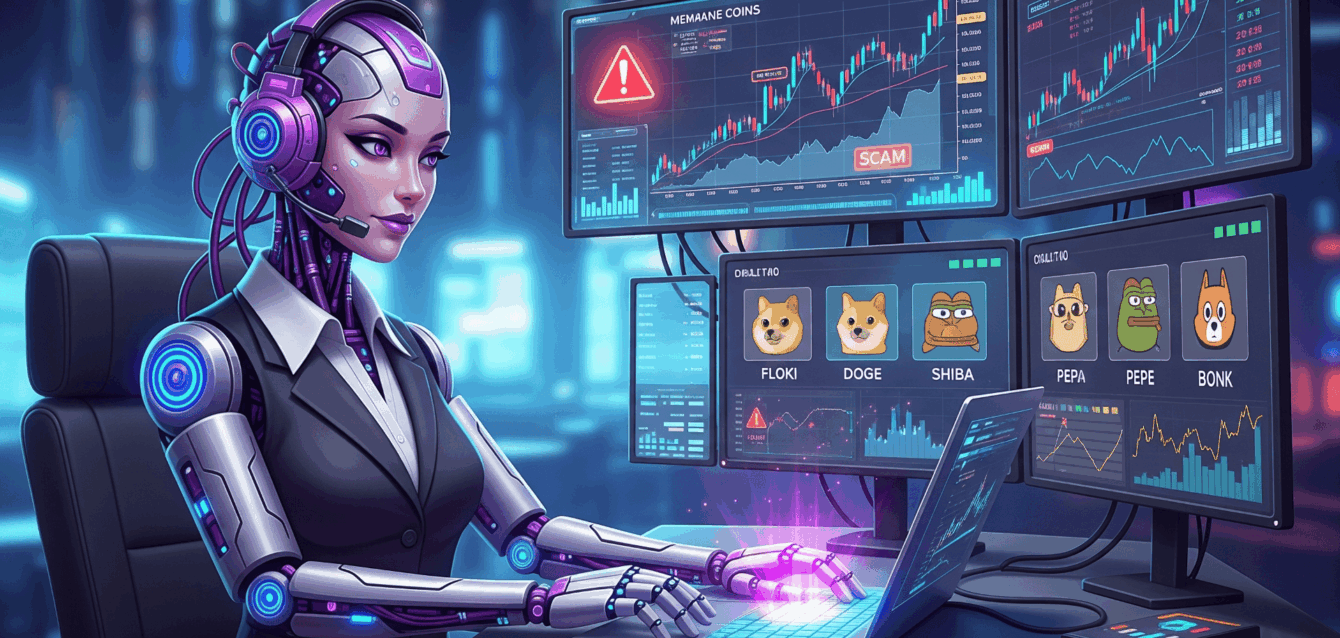
Meme coins have surged in popularity, offering traders the allure of quick profits and viral fame. However, this rapid rise has also attracted a wave of scams, with rug pulls and fraudulent projects becoming increasingly common. To navigate this volatile landscape safely, it’s crucial to recognize the warning signs of potential scams. This guide outlines ten red flags every trader should be aware of to avoid falling victim to meme coin scams. 🚨
1. Anonymous or Unverifiable Developers
Red Flag: Projects with anonymous teams or unverifiable developer credentials.
Why It Matters: Transparency is a cornerstone of trust in the crypto space. Anonymous developers can disappear without accountability, leaving investors stranded. 🕵️♂️
What to Do: Research the team behind the project. Look for LinkedIn profiles, past project involvement, and community engagement. Verified identities and a history of successful projects are positive indicators.
2. Lack of a Clear Use Case or Utility
Red Flag: Meme coins without a clear purpose or utility beyond hype.
Why It Matters: Coins that exist solely for speculation are more susceptible to pump-and-dump schemes. 💸
What to Do: Evaluate the project’s whitepaper and roadmap. Legitimate projects outline their purpose, use cases, and long-term vision.
3. Unrealistic Promises and Guaranteed Returns
Red Flag: Claims of guaranteed high returns with little to no risk.
Why It Matters: The crypto market is inherently volatile. Promises of guaranteed profits are often a hallmark of scams. 📈
What to Do: Be skeptical of projects that promise fixed returns. Legitimate investments acknowledge risks and do not guarantee profits.
4. No Liquidity Lock or Timelock
Red Flag: Absence of liquidity lock or timelock mechanisms.
Why It Matters: Without these, developers can withdraw funds, leading to rug pulls. 🔓
What to Do: Verify if the project’s liquidity is locked using blockchain explorers. Tools like Unicrypt can provide this information.
5. High Token Allocation to Developers
Red Flag: Developers holding a significant portion of the total token supply.
Why It Matters: Large holdings enable developers to manipulate prices or execute rug pulls. 🐋
What to Do: Analyze the token distribution. A fair launch with widespread distribution is preferable.
6. Poorly Written Whitepaper
Red Flag: Whitepapers with vague language, grammatical errors, or a lack of technical detail.
Why It Matters: A whitepaper reflects the project’s professionalism and seriousness.
What to Do: Read the whitepaper thoroughly. Look for clear explanations of technology, use cases, and implementation strategies. 🧾
7. No External Audits
Red Flag: Absence of third-party security audits.
Why It Matters: Audits help identify vulnerabilities in smart contracts, reducing the risk of exploits. 🧠
What to Do: Check if the project has undergone audits by reputable firms like CertiK or Hacken.
8. Aggressive Marketing and Hype
Red Flag: Over-the-top marketing campaigns with celebrity endorsements or viral challenges.
Why It Matters: Excessive hype can be used to inflate prices artificially before a dump. 🧨
What to Do: Assess the marketing strategy. Sustainable projects focus on community building and transparent communication.
9. Inactive or Censored Community Channels
Red Flag: Telegram or Discord channels with limited activity or censorship of critical questions.
Why It Matters: Open communication channels are essential for community trust and project transparency. 💬
What to Do: Join the project’s community channels. Observe the level of engagement and how the team handles inquiries.
10. Unusual Tokenomics
Red Flag: Complex or unconventional tokenomics that are hard to understand.
Why It Matters: Complicated token structures can mask underlying issues or unsustainable models.
What to Do: Study the tokenomics. Ensure you understand how tokens are distributed, used, and how value is maintained. 🔄
Author’s Thoughts
“In the ever-evolving crypto landscape, due diligence isn’t just recommended—it’s essential. Always question, research, and verify before investing.” — Andreas M. Antonopoulos, Bitcoin Advocate and Author 💬
Conclusion
Navigating the meme coin market requires vigilance and informed decision-making. By recognizing these red flags, traders can better protect themselves from scams and make more secure investments. Remember, in the world of crypto, skepticism is a valuable asset. ✅
Always trust your research. Stay alert. And never let greed override caution. 🤖